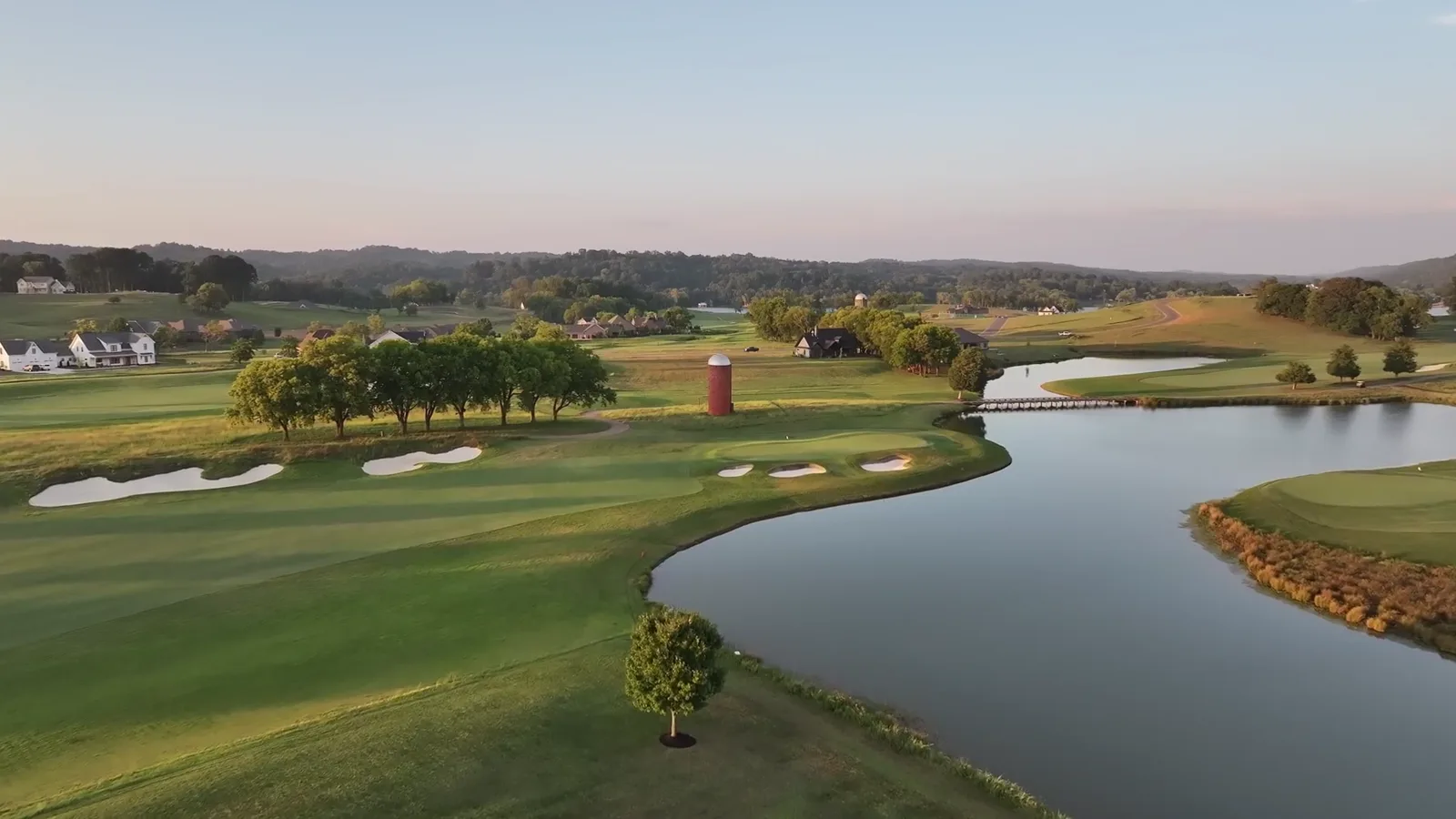
The drawing is not the project.
A development concept only becomes real when the site, infrastructure, capital stack, construction path and operating model all support the same idea.
That is why the most consequential decisions often happen before architecture gets interesting: access, utilities, grading, phasing, ownership structure and what the place is supposed to do once it opens.
Start with the ground.
Access, topography, utilities, neighboring uses, public space and the reason people would choose to be there.
Make the ambition survive the math.
Program, revenue, capital needs, phasing and the amount of complexity the opportunity can realistically support.
Align the disciplines early.
Architecture, engineering, approvals, construction and operations coordinated soon enough to avoid expensive contradictions later.
Rail & Main · Tracy City, Tennessee
A Main Street redevelopment near the Mountain Goat Trail combining flexible commercial space, coffee, food and beverage, outdoor gathering, local music and future hospitality in a phased operating plan.
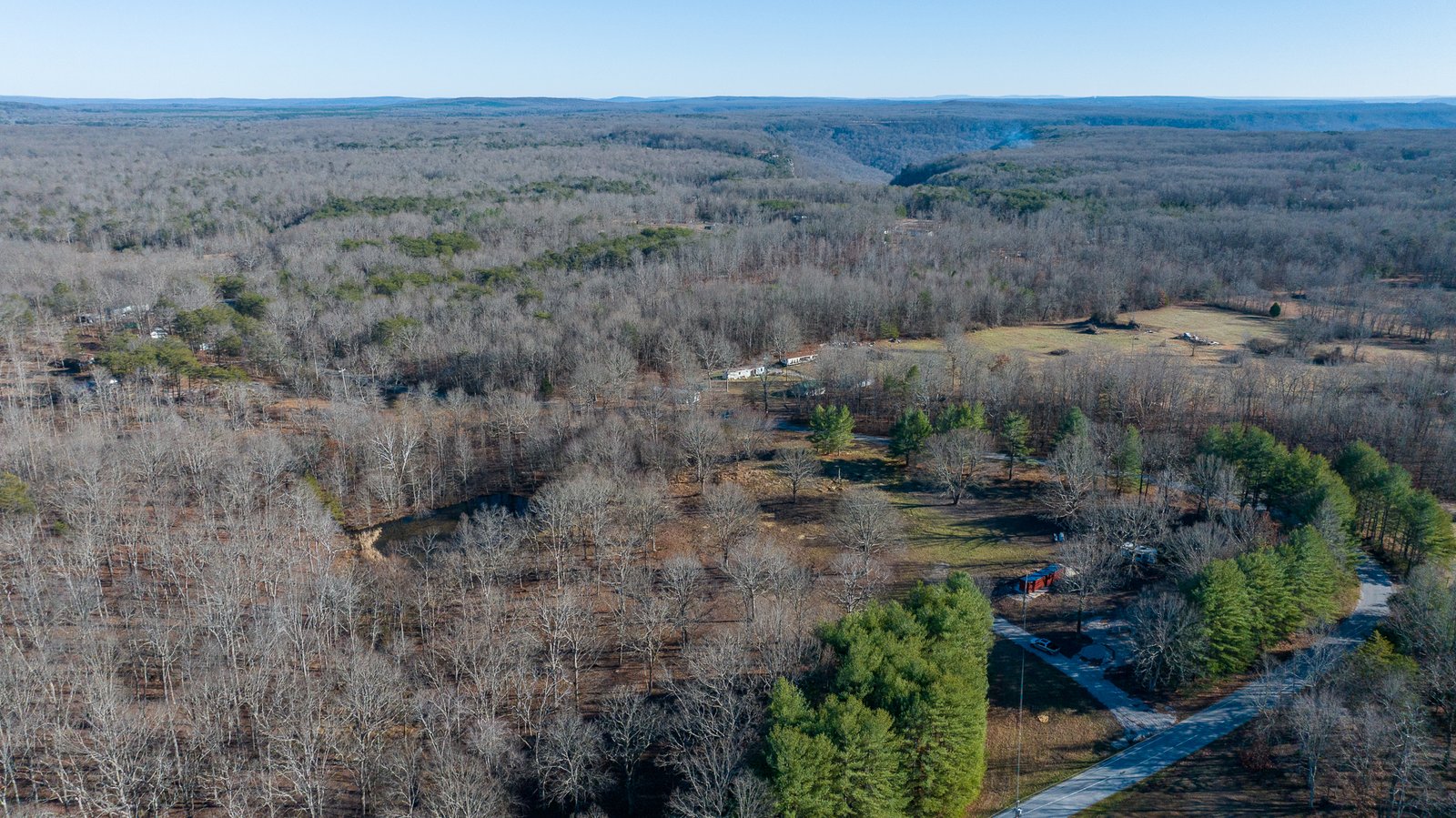
Everwild Park · Monteagle, Tennessee
A 14.88-acre campground and nature-retreat concept where infrastructure feasibility, wooded character and flexibility matter more than maximizing pad count.
The project is a useful example of why good development decisions often happen before architecture begins.
Assets where better positioning or execution can change the outcome.
Downtown + neighborhood commercial
Small-city and town-center sites where private investment can improve both the asset and the surrounding place.
Destination + experience-led concepts
Properties where lodging, food, beverage, wellness, events or recreation can create a reason to stay longer.
Entitlement + phased development
Sites where utilities, access, subdivision, infrastructure or a better development sequence can unlock flexibility.
Existing buildings with a second life
Underused structures where location, bones or character justify solving around what is already there.
Modular + off-site
Projects where repeatability, schedule compression or factory-built quality can improve the delivery model.
Multiple reasons to visit
Projects where complementary uses can share infrastructure, traffic, customers and a stronger overall identity.
Interesting sites usually come with friction.
Infrastructure, access, ownership structure, financing, construction cost or operations may be the problem. That is often where the opportunity is hiding too. The useful starting point is the actual site, the constraint and what the property could become if the hard parts are solved.