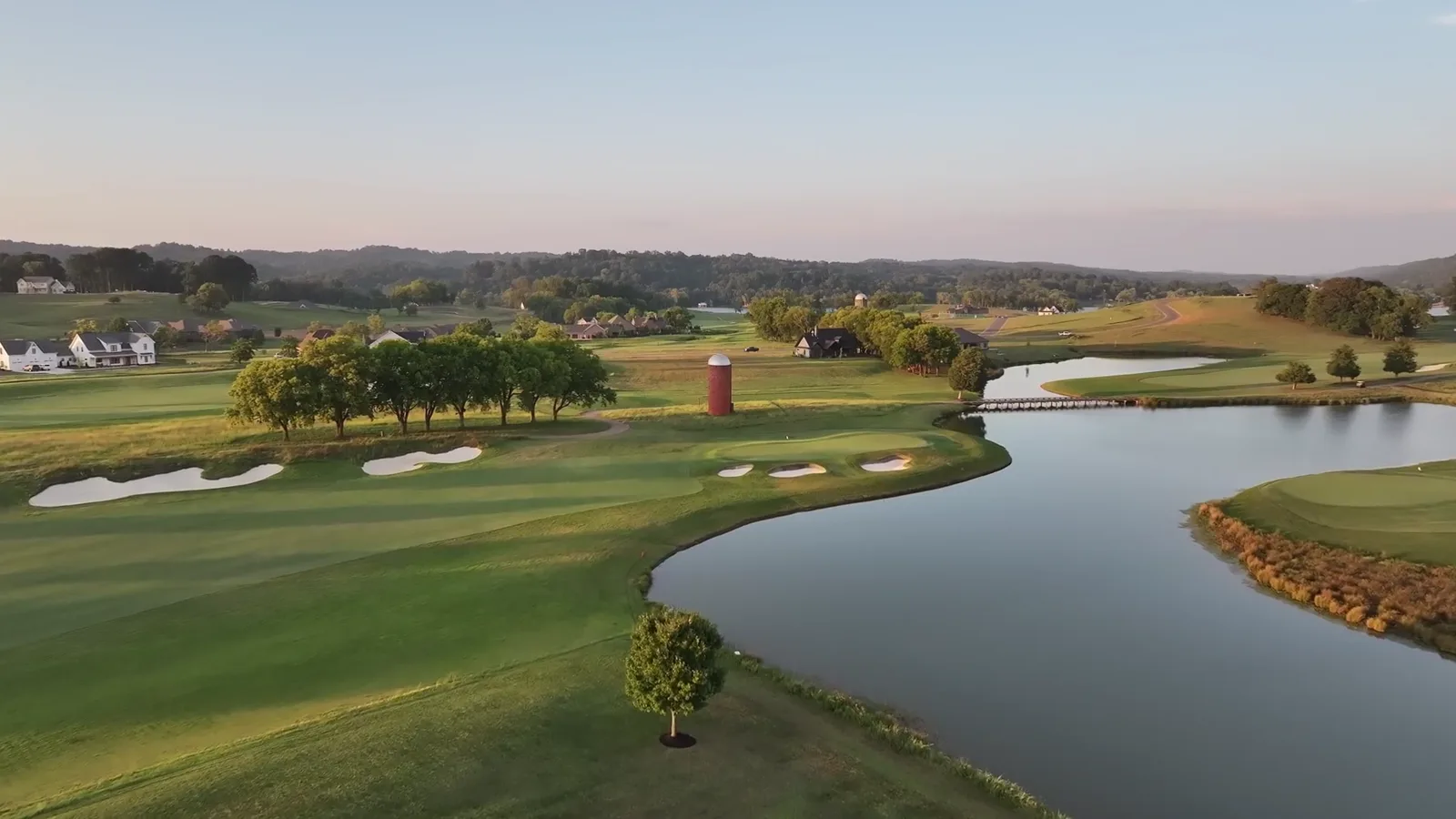
Is it a good lot for the house you actually want?
A homesite can be attractive, affordable and still be a poor fit for a specific house program. The useful comparison is not just lot versus lot — it is lot plus site work plus the home that can realistically sit there.
The goal of early due diligence is to identify the questions that deserve professional answers while you still have leverage and before design costs start compounding.
What I would want answered before calling a homesite “good.”
Survey + property lines
Confirm boundaries, acreage, corners and encroachments. GIS and marketing maps are useful references, not substitutes for a survey.
Setbacks + easements
Road setbacks, utility easements, drainage easements and community rules can materially shrink the area that is actually buildable.
Slope + grade
Views often come with excavation, retaining, stepped footings or a walkout-basement strategy. Understand the grade before pricing the house.
Driveway geometry
Test approach, length, grade, turning radius and whether construction equipment can realistically reach the intended building area.
Drainage + runoff
Look for swales, low areas, culverts and runoff from adjoining land. Disturbing a site changes how water moves, and drainage problems rarely get cheaper later.
Floodplain + streams
Verify mapped flood risk and investigate streams, wetlands or other conditions that could affect placement, grading or permitting.
Soils + rock
When conditions warrant it, geotechnical work can answer questions about bearing, rock, groundwater and foundation assumptions before they become change orders.
Utilities
Confirm water, sewer or septic, electric, gas and internet — including the actual route and cost to serve the proposed house.
Restrictions + review
Minimum size, roof pitch, materials, garage orientation, landscaping and review timelines can shape both design and cost.
Builder fit + site cost
Get early feedback on foundation type, earthwork, retaining and any site condition that could materially move the budget.
Financing + timing
Land financing, construction-to-permanent loans, appraisal requirements and builder draw schedules can influence when plans need to be complete.
Resale + flexibility
View, orientation, privacy, buildability and position within the community all influence future demand — even if you intend to hold for years.
The community can change the lot.
Inside communities such as Tennessee National, section, orientation, architectural guidelines, surrounding construction and proximity to amenities can matter as much as acreage. Compare the property in its actual context.
From homesite to construction.
Once the lot survives due diligence, the next task is sequencing site work, design, pricing, financing and approvals without getting too far ahead of the facts.
Send me the lot.
For real-estate questions around a homesite, send the address, parcel or listing and the house you are imagining. The goal is to identify the next questions before more money is committed.
Matthew Dowdy is a Tennessee Affiliate Broker with Tennessee National Realty, LLC. This guide is general educational information and is not legal, engineering, surveying, environmental, lending or construction advice. Site conditions and requirements vary by property and jurisdiction; use appropriately licensed professionals for property-specific conclusions. See Disclosures.